
The Fascinating History of Tattooing: From Ancient Traditions to Modern Art


The History of Tattooing: A Journey Through Time and Culture
Tattoos have become a powerful form of self-expression in today’s world, but their roots stretch back thousands of years. The history of tattooing is a tapestry of cultural identity, spiritual symbolism, and evolving artistry. From ancient tattoos etched into mummified skin to cutting-edge tattoo machines and global ink culture, tattoos have always reflected the stories we carry on our bodies.
Ancient Beginnings: The First Tattoos
The earliest evidence of tattooing dates back over 5,000 years. The discovery of Ötzi the Iceman in the Alps, with over 60 carbon ink tattoos on his body, offers a glimpse into the medicinal or ritualistic purposes tattoos once served.
In ancient Egypt, tattoos were used to signify social or religious status—particularly among women. Similarly, in Polynesian culture, tribal tattoos were a rite of passage, deeply connected to ancestry and spiritual protection.
Tattooing Across Civilizations
Tattooing practices evolved differently across the globe:
Japan: Tattoos (Irezumi) date back to the Jomon period. While once used as punishment, they evolved into elaborate body art associated with bravery and spiritual protection.
China: Tattoos were often stigmatized, seen as marks of criminals or outsiders, yet some ethnic groups used them as symbols of identity.
Maori (New Zealand): Traditional Māori tattoos, or ta moko, were sacred, using chisels to carve intricate patterns representing lineage and social status.
Native American Tribes: Tattoos served spiritual, medicinal, and status-related roles, often linked to warrior achievements or tribal symbols.
Tattooing in the Western World
Tattoos made their way to Western societies through exploration and colonization. Sailors returning from Polynesia popularized tattoo culture in the 18th and 19th centuries. The word "tattoo" itself is derived from the Tahitian word tatau.
In 1891, Samuel O'Reilly patented the first electric tattoo machine, revolutionizing the industry and making tattoos more accessible and less painful. This invention paved the way for tattoo parlours and the rise of body art in mainstream Western culture.
Modern Tattoos: Art, Identity, and Expression
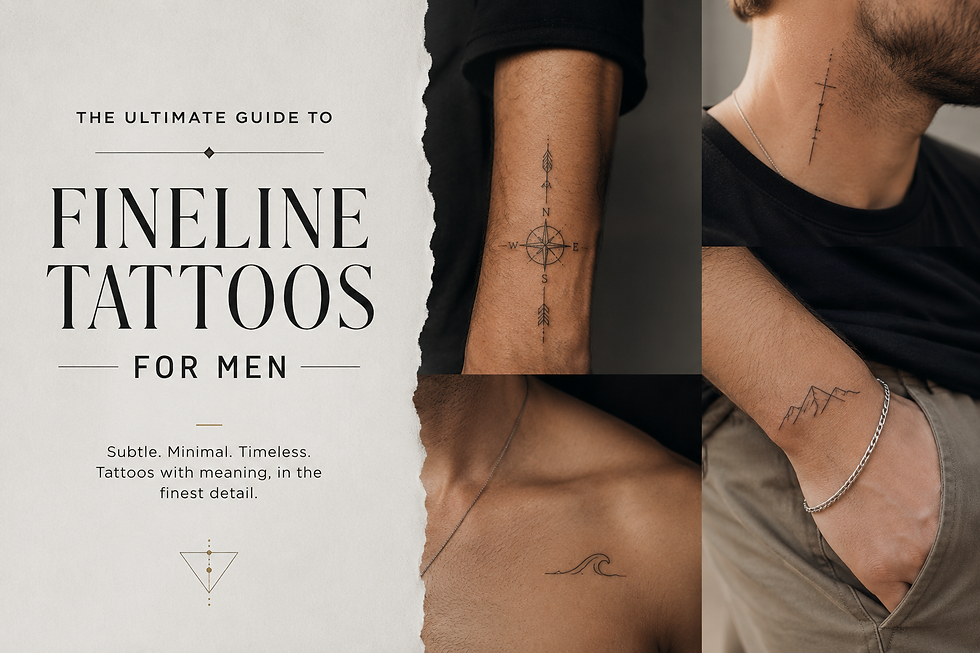
Today, tattoos span all demographics, professions, and social classes. From minimalist line work to hyper-realistic portraits, the modern tattoo is both personal and political. Influenced by history and driven by innovation, tattooing continues to evolve.
Social media, international conventions, and pop culture have elevated tattooing into a respected art form. It’s a celebration of identity, memory, and creativity.
Tattoo History Timeline: Key Milestones
3300 BCE – Ötzi the Iceman displays earliest known tattoos.
2000 BCE – Egyptian mummies show tattooed female figures.
300 CE – Japanese tattoos evolve from punishment to art.
1700s – European explorers bring tattoos back from Polynesia.
1891 – First electric tattoo machine patented by Samuel O’Reilly.
1970s–2000s – Tattooing becomes increasingly mainstream and diverse.
Today – Tattoo culture is global, inclusive, and artistic.
Conclusion
The history of tattooing is not just about ink and needles—it's about the enduring human desire to communicate, commemorate, and create. Whether tribal, religious, ornamental, or personal, tattoos have stood the test of time as a powerful cultural expression. As we move forward, the art of tattooing continues to honour its ancient roots while pushing the boundaries of creativity and identity.


Comments